
In today's modern homes, we rely heavily on appliances to make our lives easier and more efficient. From the kitchen to the laundry room, these essential tools play a significant role in our daily routines. However, as with any mechanical or electrical device, appliances can develop faults and flaws over time, leading to unexpected breakdowns and malfunctions. However, what happens when these faulty appliances are due to a production defect?
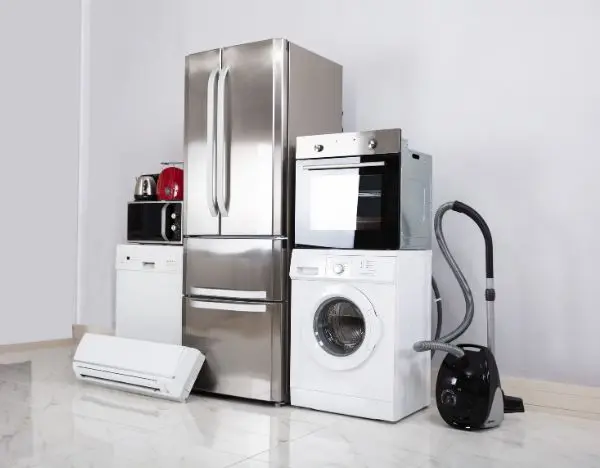
Discovering that a household appliance is faulty due to manufacturer or production defects can be frustrating and, in some cases, pose safety risks. It's essential to be aware of common faulty appliances that may exhibit defects, potentially leading to malfunctions or accidents. Here are some appliances commonly affected by manufacturer or production defects:
If you notice any unusual behavior or suspect a defect in your appliances, it's crucial to address the issue promptly. Manufacturers may issue recalls or offer solutions for known defects. Additionally, if a faulty appliance has caused injuries or property damage, seeking legal advice can help you understand your rights and potential courses of action. Regular maintenance, proper usage, and staying informed about recalls are key practices to ensure the safety and longevity of household appliances.
Discovering that your appliance is defective due to manufacturer or production issues can be concerning. Taking the right steps is crucial to address the situation effectively. Follow these guidelines if you suspect your appliance is defective:
If the defective appliance poses an immediate safety risk, disconnect it from the power source or gas supply to prevent further issues. Prioritize the safety of yourself and those in your household.
Consult the appliance's owner's manual for troubleshooting tips and manufacturer recommendations. Some issues may have simple solutions outlined in the manual.
Research whether there are any recalls for your specific appliance model. Manufacturers often issue recalls for known defects. Check the manufacturer's website, consumer protection agencies, or online databases for the latest recall information.
Take photographs or videos of the defective appliance, highlighting the issue and any visible defects. Document the appliance's model and serial number, as well as the date of purchase.
Reach out to the manufacturer's customer service department to report the defect. Provide detailed information about the issue, including your documentation. Manufacturers may offer solutions, including repairs, replacements, or refunds.
Maintain a record of all communication with the manufacturer, including names, dates, and details of conversations. This documentation can be valuable if legal action becomes necessary.
If the defective appliance caused injuries or property damage, preserve any evidence related to the incident. This may include damaged items, medical records, and any correspondence with the manufacturer.
If the defect in the appliance has resulted in significant harm, consult with an experienced product liability attorney. They can assess your case, evaluate potential legal claims, and guide you on the best course of action.
In the United States, consider filing a complaint with relevant consumer protection agencies, such as the Consumer Product Safety Commission (CPSC). This helps raise awareness of potential hazards and may contribute to regulatory actions.
Check the warranty coverage for your appliance. If the defect is within the warranty period, the manufacturer may be obligated to provide repairs or replacements.
Remember that safety is the top priority, and addressing a defective appliance promptly can prevent further issues. If the defect has resulted in injuries or significant damages, seeking legal advice can help you understand your rights and options for seeking compensation.
Consumers are entitled to certain legal protections and rights to ensure their safety and satisfaction when purchasing products, including household appliances. Understanding your legal rights as a consumer can empower you to take appropriate action when dealing with defective appliances. Here are key aspects of your legal rights in the context of consumer protection:
Consumers have the right to expect that the products they purchase, including household appliances, are safe for use when used as intended. Manufacturers are legally obligated to design, produce, and distribute products that meet safety standards.
Manufacturers are required to provide clear and accurate information about their products, including potential risks, proper usage instructions, and any necessary warnings. This information is typically included in product manuals and labels.
Many appliances come with warranties that guarantee the product's performance and reliability for a specified period. If the appliance develops defects within the warranty period, consumers may be entitled to repairs, replacements, or refunds.
In cases where a product, including an appliance, is defective or fails to meet the implied warranty of merchantability, consumers generally have the right to seek a refund or replacement from the seller or manufacturer.
Consumer protection laws, both at the federal and state levels, are designed to safeguard consumers from unfair and deceptive practices. These laws empower consumers to take legal action against manufacturers or sellers who engage in fraudulent or unfair business practices.
If a defective product, such as a faulty appliance, causes harm or dissatisfaction, consumers have the right to file complaints with relevant consumer protection agencies. In the United States, the Consumer Product Safety Commission (CPSC) is a key regulatory body.
When a defective product results in significant harm, consumers may have the right to pursue legal action against the manufacturer or seller. Product liability laws allow consumers to seek compensation for injuries, property damage, and other losses caused by a defective product.
Manufacturers are required to provide information about recalls promptly. If a defective appliance is subject to a recall, consumers have the right to be informed and take appropriate actions, such as returning or repairing the product.
In the era of smart appliances, consumers also have rights related to privacy and data security. Manufacturers must adhere to data protection laws and ensure that consumer data collected by smart appliances is handled responsibly and securely.
In cases where a defective product results in financial hardship, consumers have rights under fair debt collection practices to dispute charges or seek compensation for damages.
Being aware of these rights empowers consumers to make informed decisions, seek recourse for defective products, and contribute to the overall safety and fairness in the marketplace. If you believe your legal rights have been violated due to a defective appliance, seeking legal advice is recommended to explore potential courses of action and protect your interests. Contact us today for immediate help.
Prioritize safety. Disconnect the appliance if it poses an immediate risk, consult the owner's manual for troubleshooting, and document the issue with photographs or videos.
Research recalls on the manufacturer's website, consumer protection agencies, or online databases. Check for recall information using the appliance's model and serial number.
Contact the manufacturer's customer service to report the issue and inquire about warranty coverage. Manufacturers may provide repairs, replacements, or refunds within the warranty period.
Yes, you can file a complaint with relevant consumer protection agencies. In the United States, consider filing with the Consumer Product Safety Commission (CPSC) if the defective appliance poses safety risks.
Document the defective appliance with photographs or videos. Keep records of communication with the manufacturer, including names, dates, and details. Preserve any evidence related to injuries or property damage.
As a consumer, you have the right to a safe product. If a defective appliance resulted in significant harm, consult with a product liability attorney to explore potential legal claims for compensation.
Yes, consumers generally have the right to seek a refund or replacement for a defective product. Contact the manufacturer or seller to discuss available options.
Review the appliance's privacy policy and data security measures. Manufacturers must adhere to data protection laws. If you have concerns, contact the manufacturer for clarification.
Consumers have rights under fair debt collection practices. If a defective appliance causes financial strain, contact the seller or manufacturer to discuss possible solutions and dispute charges if necessary.
Consult with an attorney if the defect in the appliance has resulted in injuries, property damage, or significant losses. An attorney can assess your case and guide you on potential legal actions. Fill out our contact form and we'll get you in contact with a lawyer for a free consultation.
